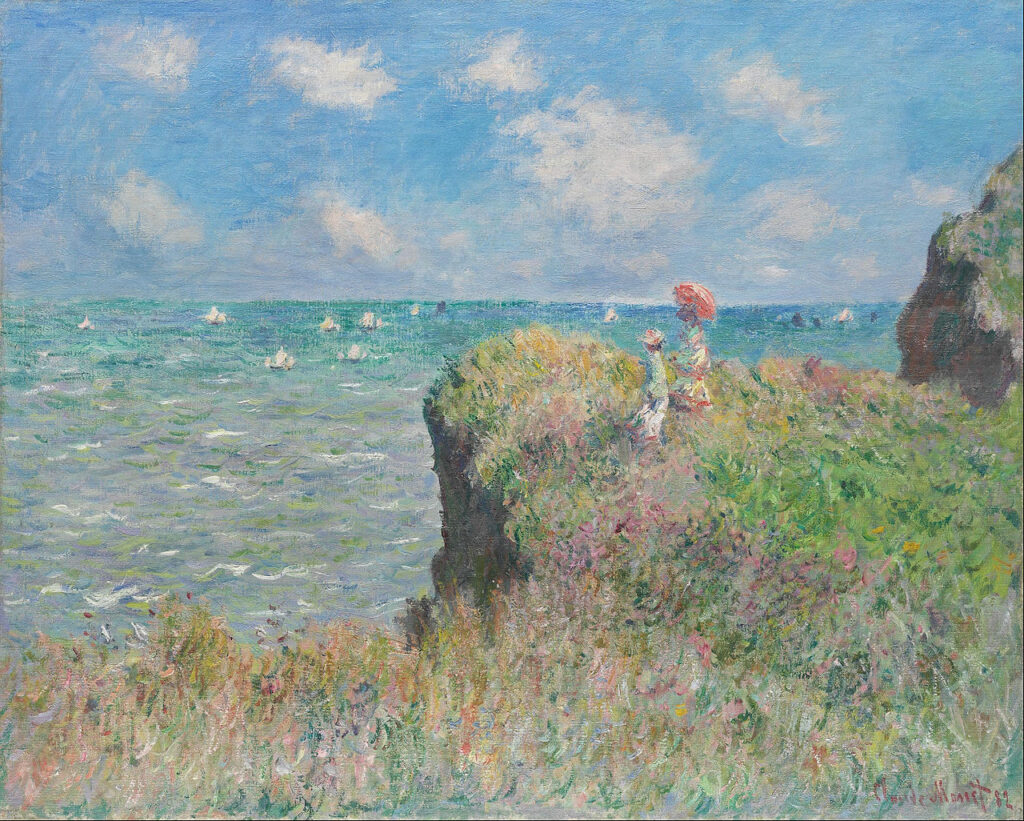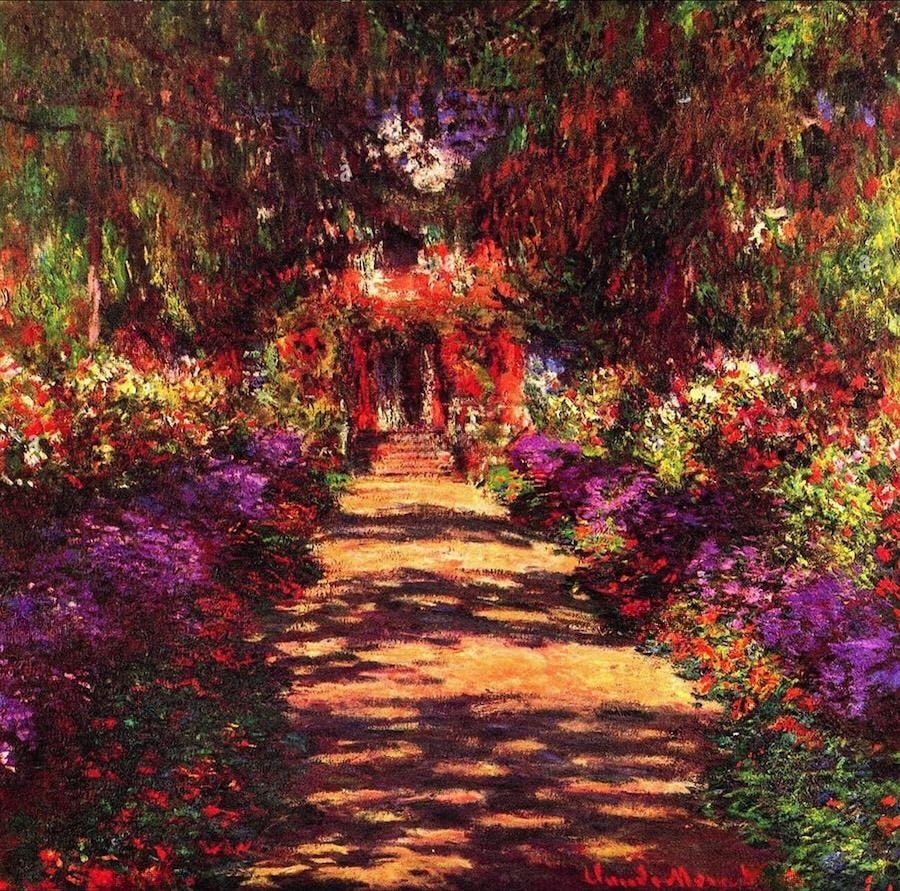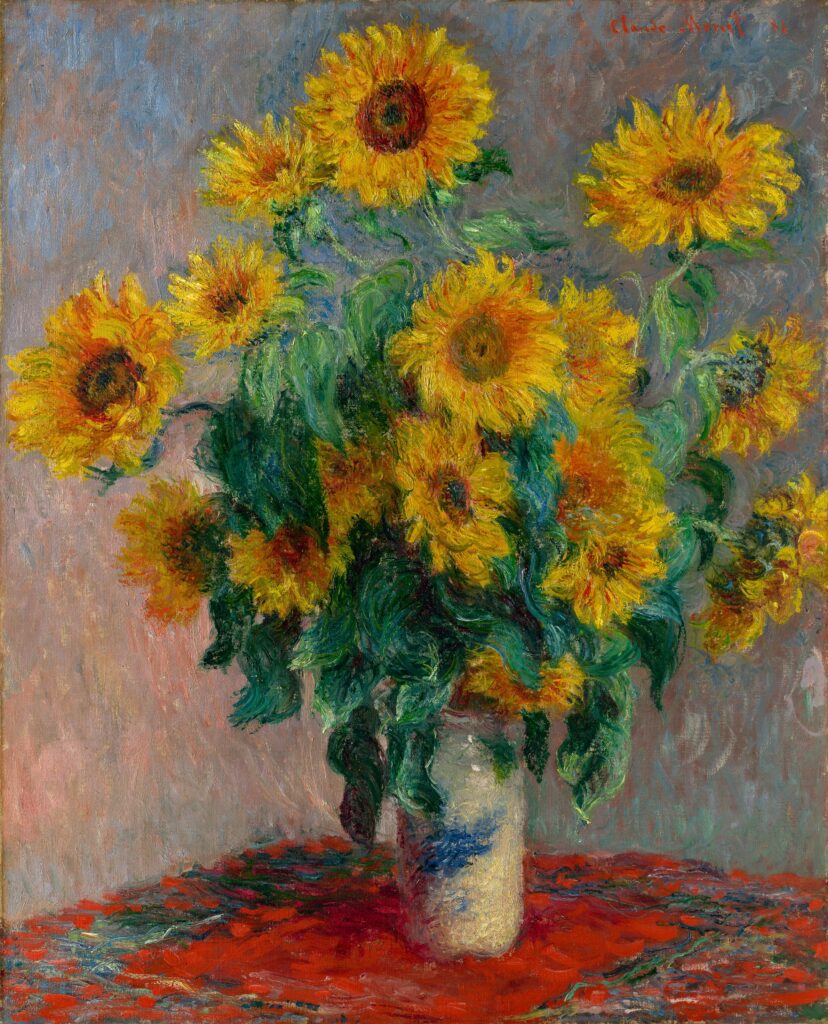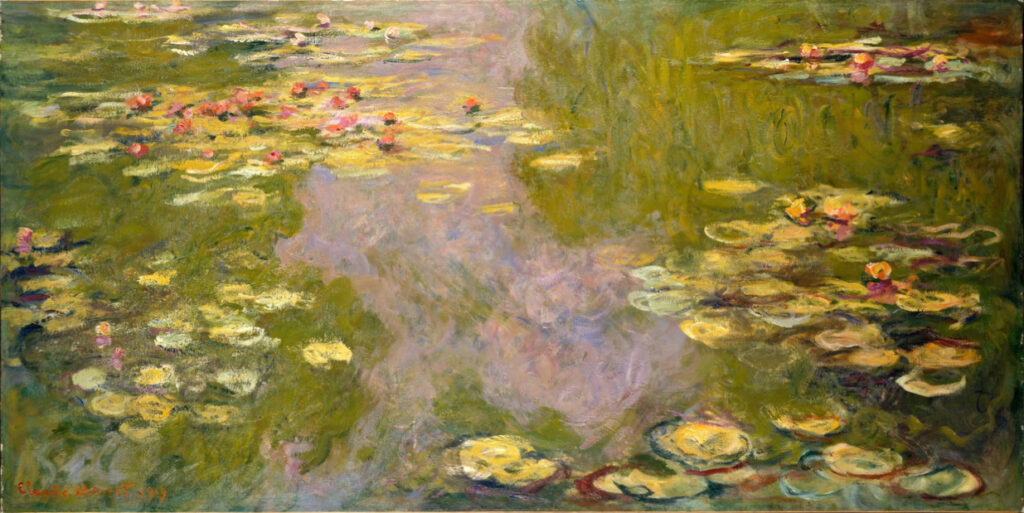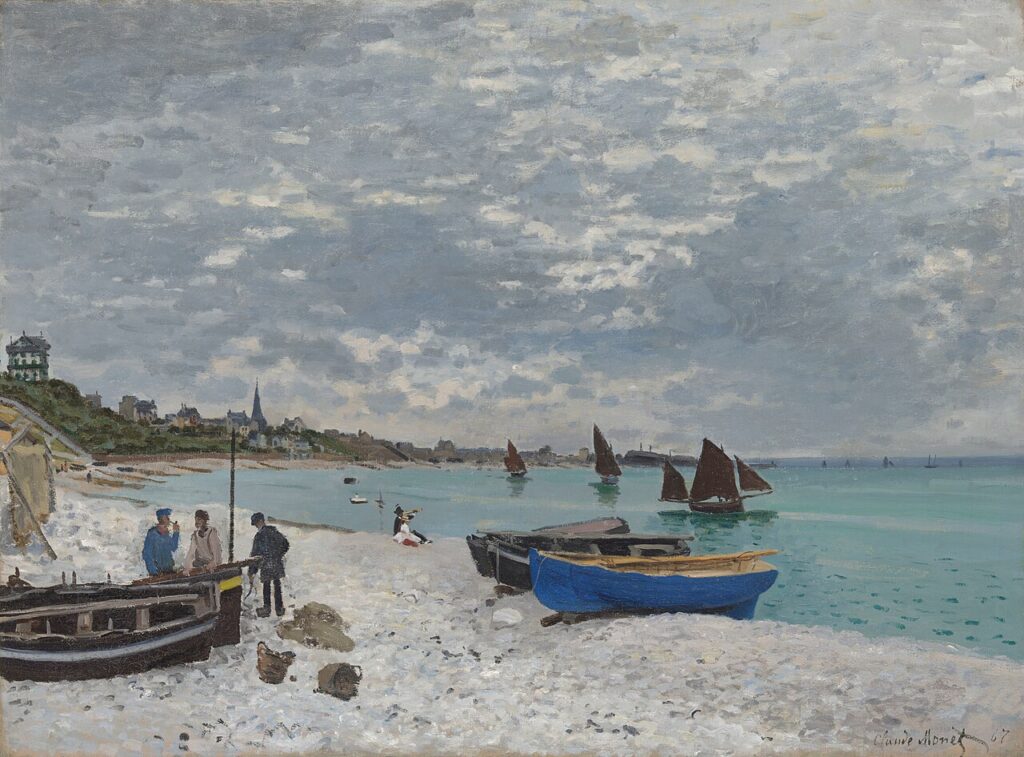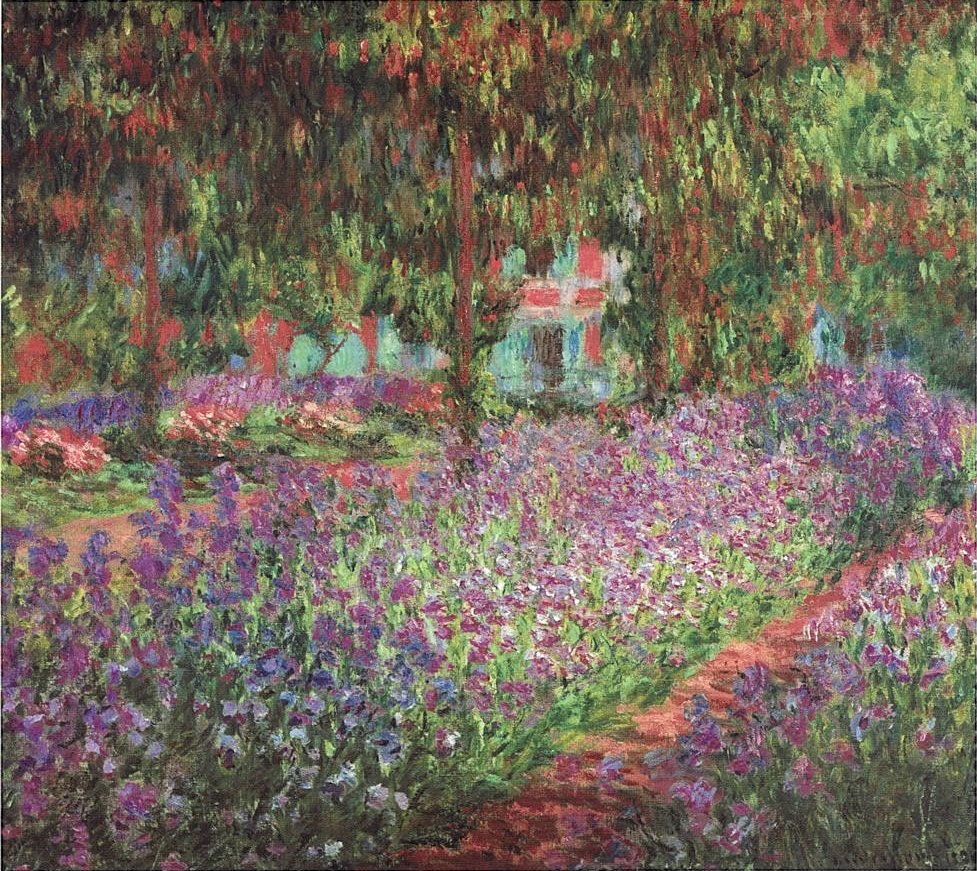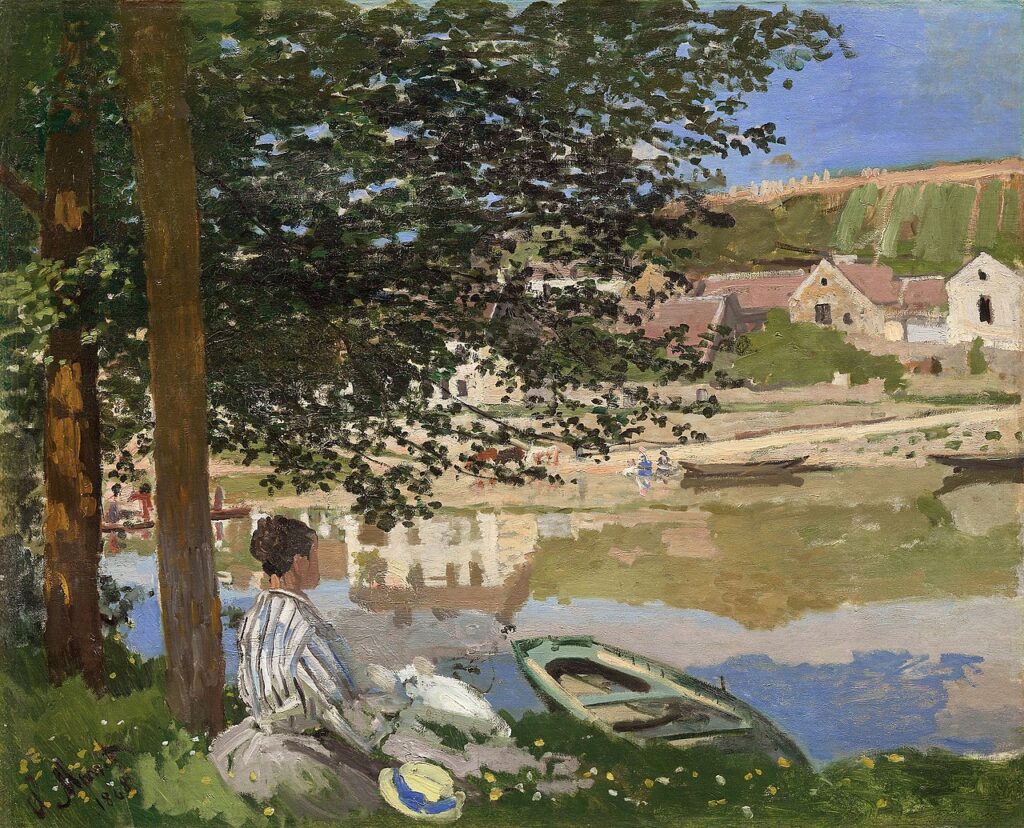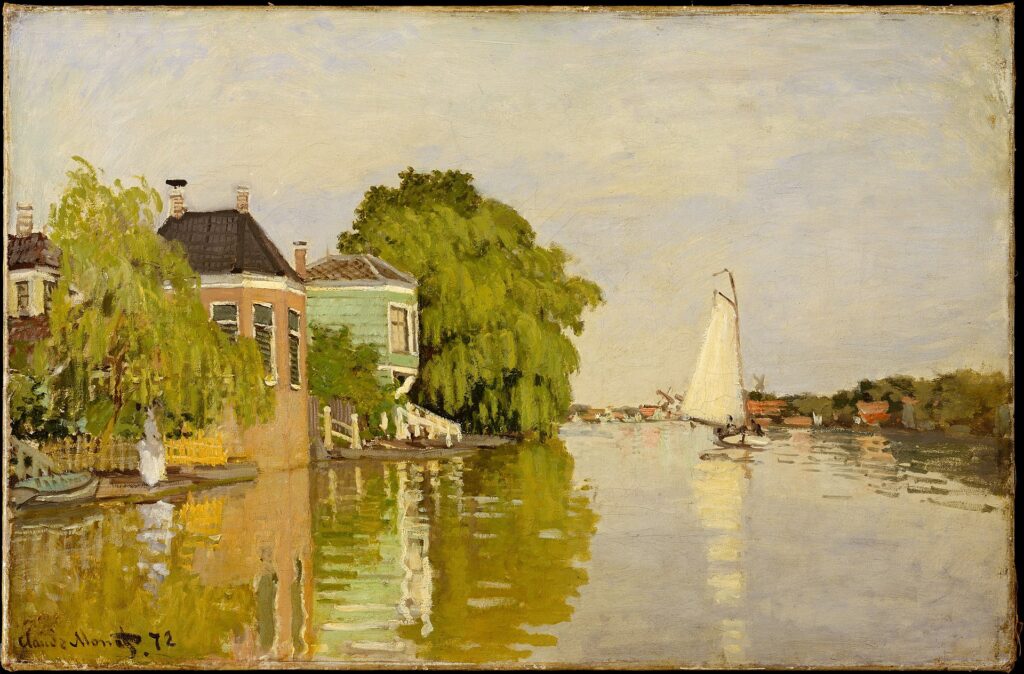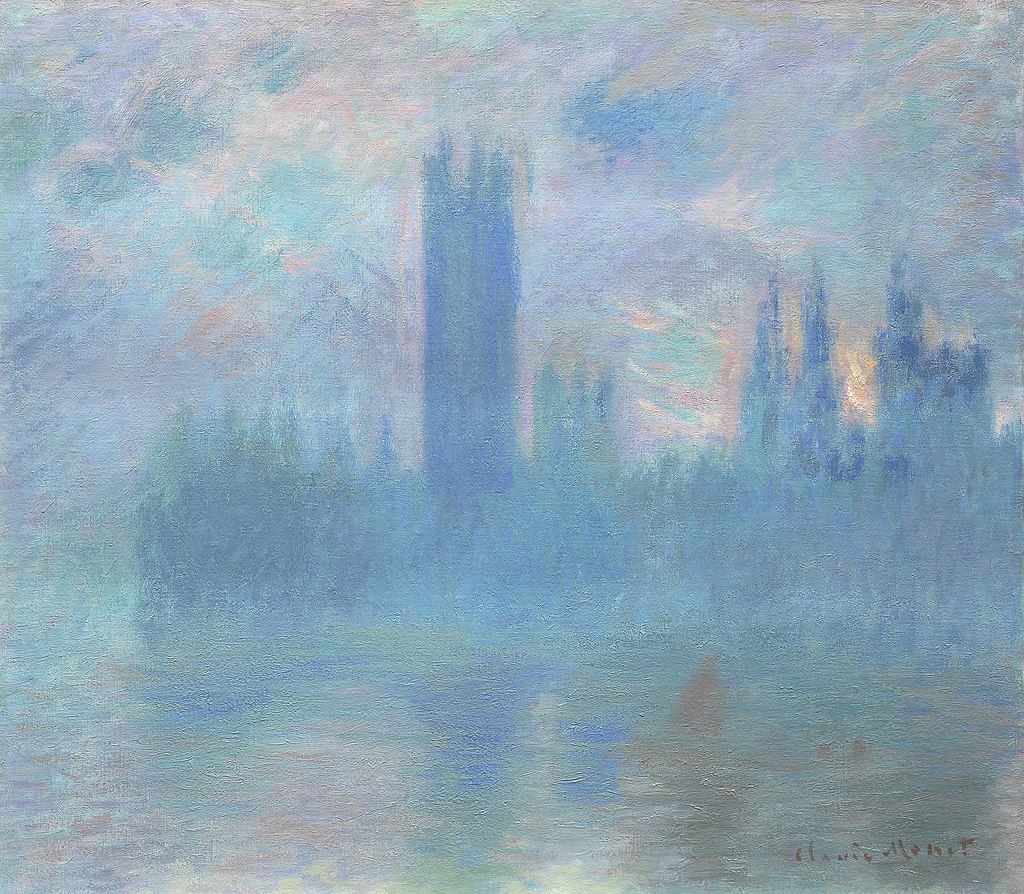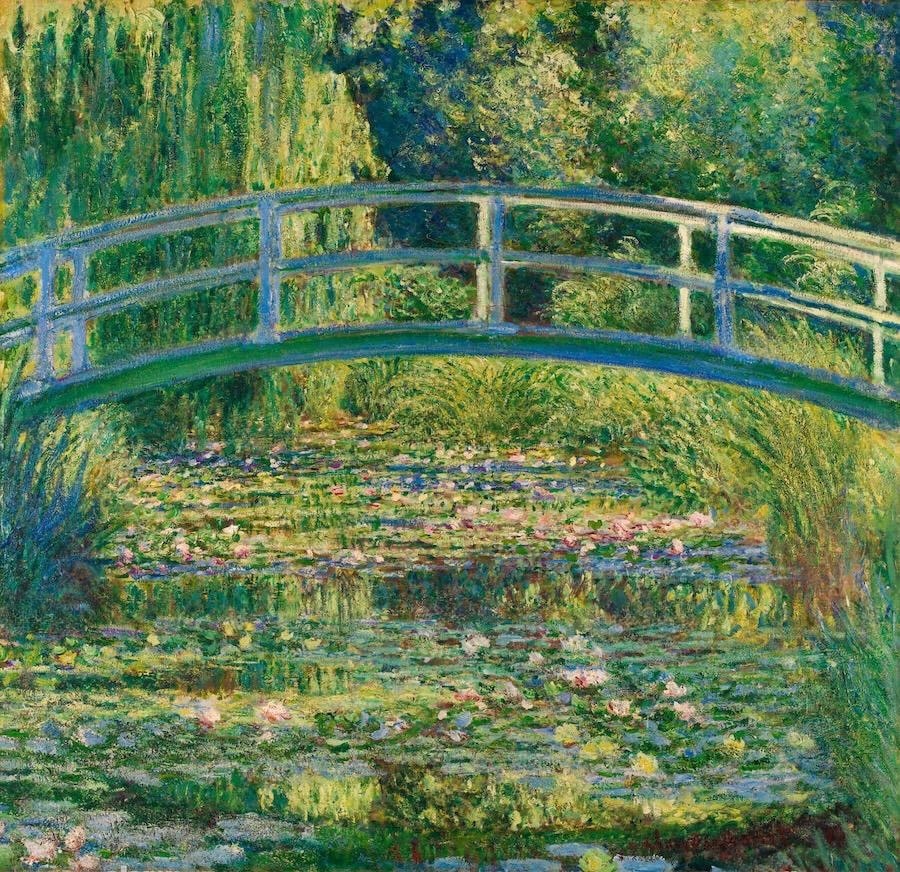
Claude Monet was a painter and the founder of Impressionist painting. He would often paint the same scene over and over again in order to capture the changing of light and the passing of seasons. One of his best known works is a series of water lily paintings from his garden. Originally used in a negative review of his work, the word “Impressionism” was used to suggest his work was unfinished. But in the second half of the 20th century, Monet’s fame and popularity soared and he was frequently exhibited and very successful during his lifetime.
Books
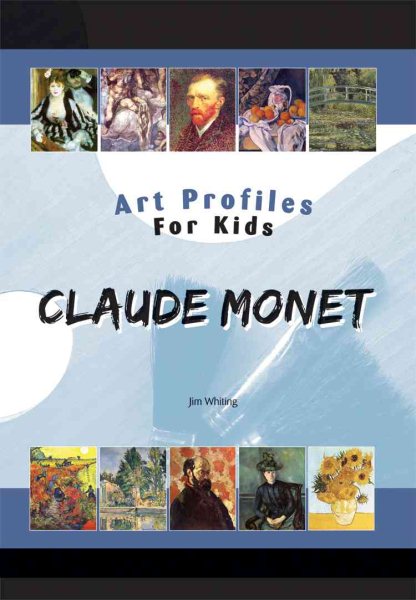
Profiles the famous French artist whose painting “Impression: Sunrise” gave the Impressionists their name and is most noted for his paintings of water lilies and his gardens in Giverny, France.

Offers information about the life and work of the painter Claude Monet in the form of a student’s report.

Describe how as a young artist, Claude Monet rejected a traditional life path while embracing initially unpopular new approaches to painting and seeing, launching the French Impressionism movement.
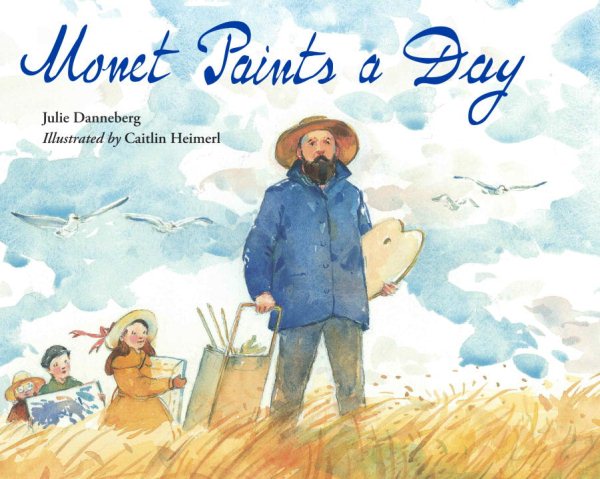
Recounts a day of painting under the stone arch Manneporte as artist Claude Monet, so engrossed in his painting, fails to watch the tide.
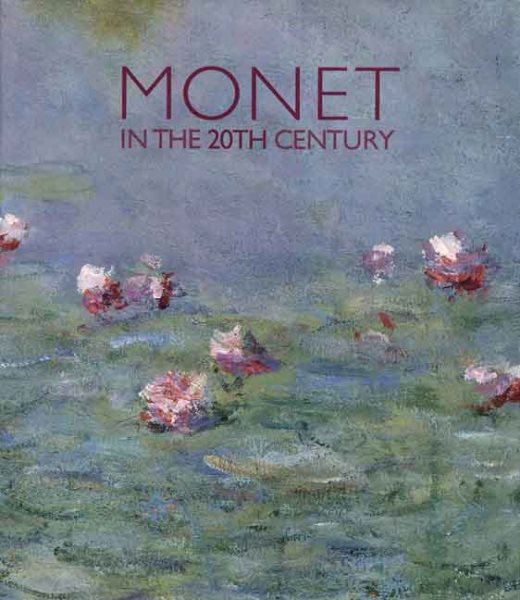
Describes Monet’s paintings.
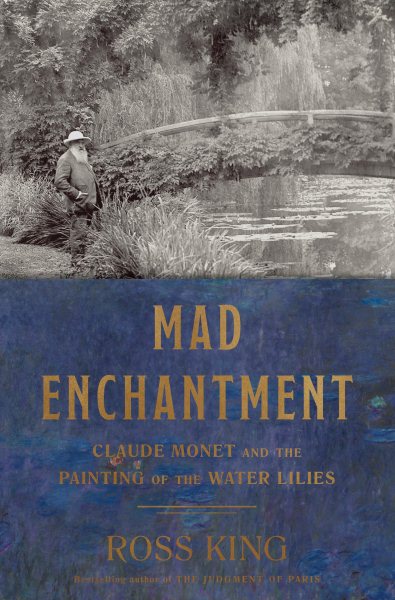
A portrait of the master artist and his most famous series reveals the dramas behind their creation, describing Monet’s struggles with World War I, family losses, harsh criticism, and competition from a younger generation of artists in the final years of his life.
Artwork